SAMBA contributed to the conference with:
Den 19.08. Session: Tracing Untold Stories: Museum Ecologies, Care and The Ecological Crisis (Part 1) Session chair: Torgeir Rinke Bangstad.
Presenters: Marie-Theres Fojuth, University of Stavanger: Slow Care and the Environmentalism of Museums.
Den 19.08. Session: Tracing Untold Stories: Museum Ecologies, Care ant The Ecological Crisis (Part 2) Session chair: Marie-Theres Fojuth
Presenters: Kirsten Linde (Museene i Akershus), Cathrine Arnesen (Museene i Akershus), Gyrid Øyen (Varanger Museum): Untold stories in the museum collecton: How to care for non-sustainable objects entagled in contested stories.
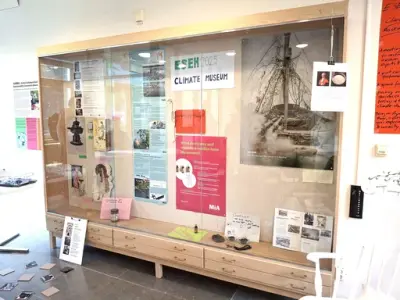
Den 20.08 The ESEH2025 Climate Museum. Session Chair: Elke-Christian Heine and Dominik Huenniger.
Participants from SAMBA in this session:
Catharina Borch (The Østfold museum)
Christin Kristoffersen (Museums in Akershus/Fetsund lenser)
Kirsten Linde (Museums in Akershus/Museumstjenesten)
Elise Matilde Malik (Vitenparken Campus Ås)
Maria Nordberg (Museums in Akershus/Fetsund lenser)
Morten Risvik (Museums in Akershus/Fetsund lenser)
Cathrine Cecilie Arnesen (Museums in Akershus/Oslofjordmuseet)
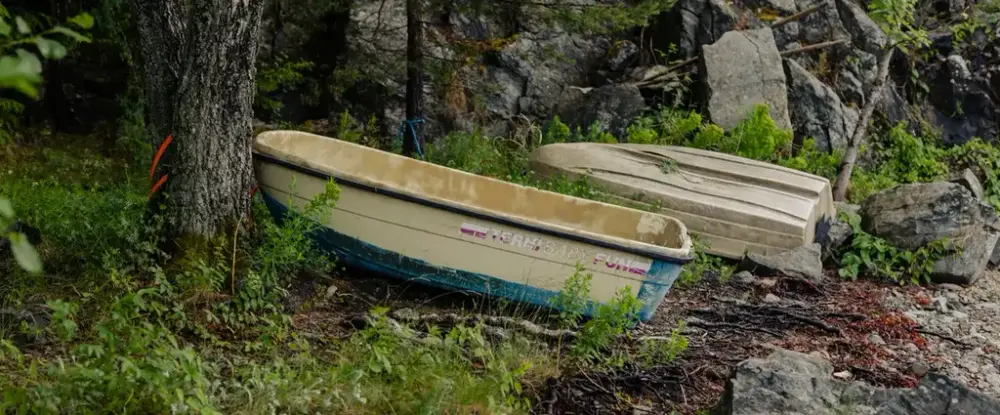
Etterlatte plast-vrakbåter ved Oslofjorden. Foto: Charlotte Førde Skomsøy
Presentation from Museums in Akershus and Varanger museum
Untold stories in the museum collection: How to care for non-sustainable objects entangled in contested stories
Presenters:
Cathrine Arnesen, Museene i Akershus, Norway
Camilla Carlsen, Varanger museum, Norway
Kirsten Lindé, Museene i Akershus, Norway
Gyrid Øyen, Varanger museum, Norway
Museums have long experience in using objects as tools to create an arena where encounters between something and someone can take place (Simon, 2010). Such encounters may involvechallenging the power museums by inviting multiple voices as a starting point for interaction and change (Clifford, 1997; Pratt, 1991; Bhabha, 2012). Yet, the effort to build methods that create spaces for addressing themes that brings together museums with sustainability, climate crisis, and the loss of biodiversity seems less explored (Garthe, 2023; Holtorf & Högberg, 2020). In our article, we aim to focus on museums' work with sustainability themes by critically examine our own practice and identifying untold stories that relate to environmental issues. Our investigation is based on work with collection at two museums, where we look more closely on how non-sustainable objects can be used as a prism to bring out diverse understandings that these objects are entangled in. Examples of such objects in the collections are a stone from the mining industry in the border town of Kirkenes and a boat wreck in glass fibers abandoned on the shores of the Oslofjord. These objects are entangled in contested stories and (im)possible futures along the lines of the Agenda2030. In this article we ask: How are non-sustainable objects understood, negotiated, and cared for, by the public that are engaged in what the objects do and tell. Drawing on concepts of care (Bellacasa, 2011, 2012, 2018), we want to bring out the contested meanings and relations of the objects. Care is in this sense a concept we can think-with and get an understanding of how we care when something is at stake. We argue that contested and non-sustainable objects in our museum collections are important tools in activating attention and awareness for climate crisis.
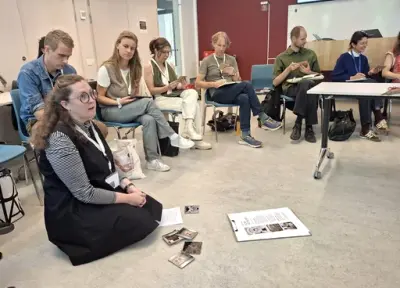
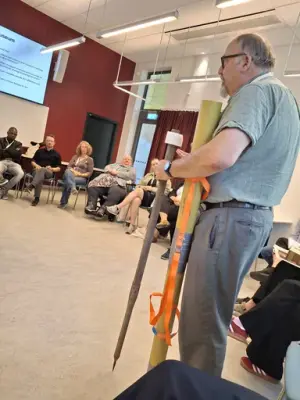
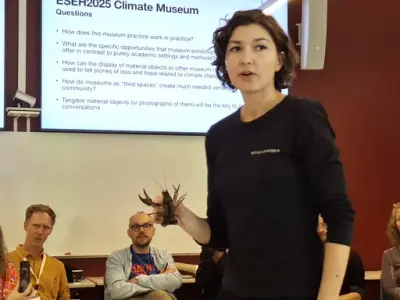
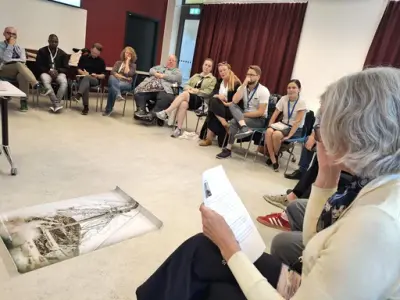
Participants in The ESEH2025 Climate Museum
This Different World Session functions as a meeting place for researchers, museum workers, objects and stories. It is open for all ESEH participants to join, discuss, and
collaborate! Together, we will create the ESEH2025 Climate Museum. It will share stories of climate uncertainty, biodiversity loss, rapid landscape change, the pervasive use of fossil resources and other interrelated
phenomena.
- 1/8
- 2/8
- 3/8
- 4/8
- 5/8
- 6/8
- 7/8
- 8/8
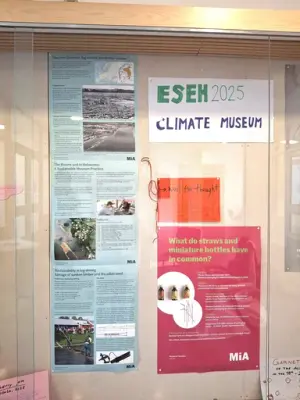
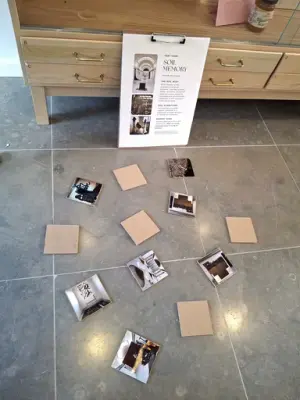
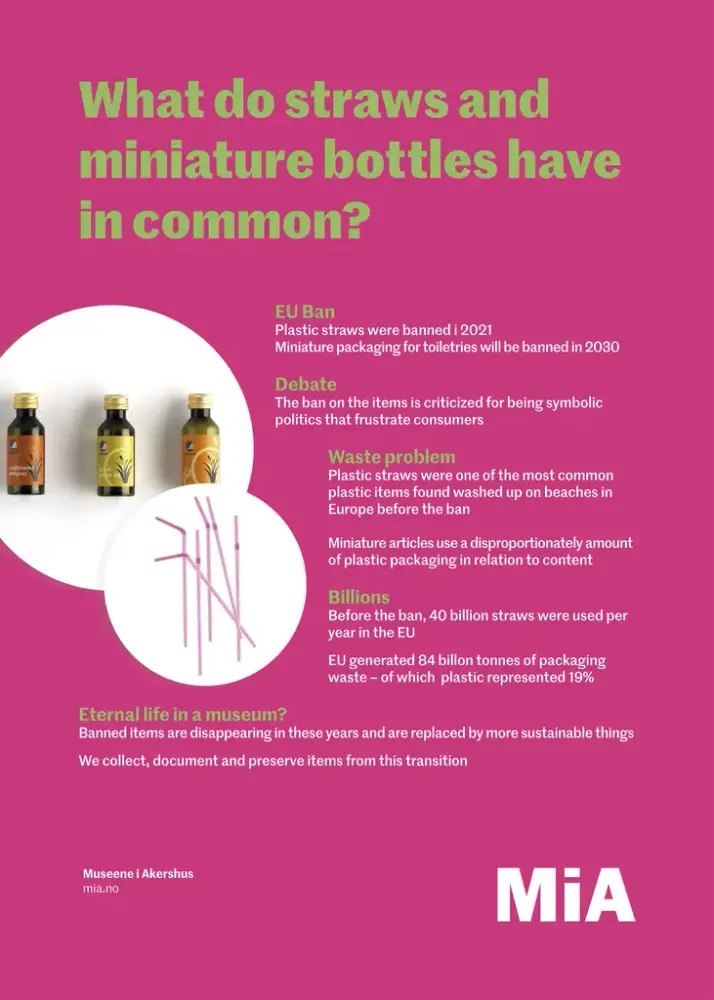
Example of a poster from the Climate Museum
- 1/1
Tekst: Den 05.12.2025