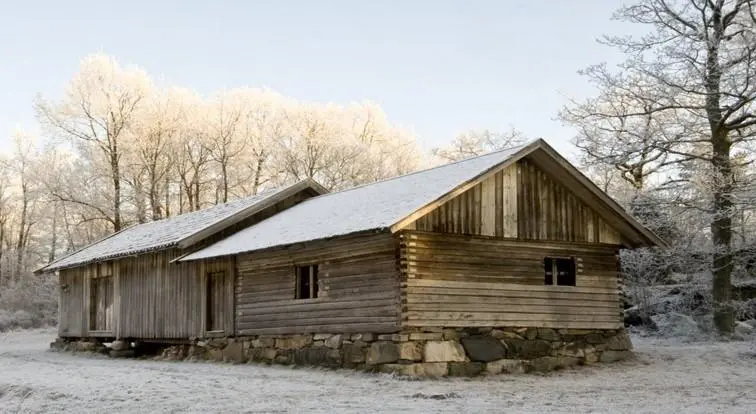
Follo today consists of the municipalities Nesodden, Frogn, Nordre Follo, Vestby, Ås, and Enebakk. People have been living here since the end of the last ice age, hunting and gathering in the large forests, fishing in lakes, streams and the Oslo fjord. For the last 6000 years, people here have been growing crops and raising animals. The Follo region has also changed a lot over the last 200 years, from a culture more reliant on subsistence farming to an area characterised by industry, shipping and tourism, alongside agriculture and forestry. It is mostly these last 200 years that you will learn about here, at our museum!
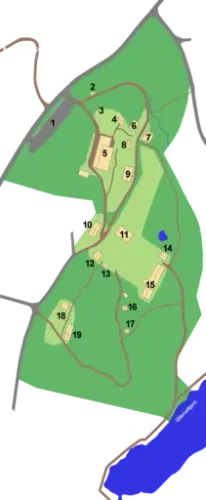
This site includes some information about the buildings you can see in our museum area. The numbers correspond with the numbers on the map.
1. Parking area
Parking here is free, and is also a great starting point for some lovely walks in the area! No camping allowed.
2. Public toilets
These are managed by the municipality of Frogn.
3. Playground
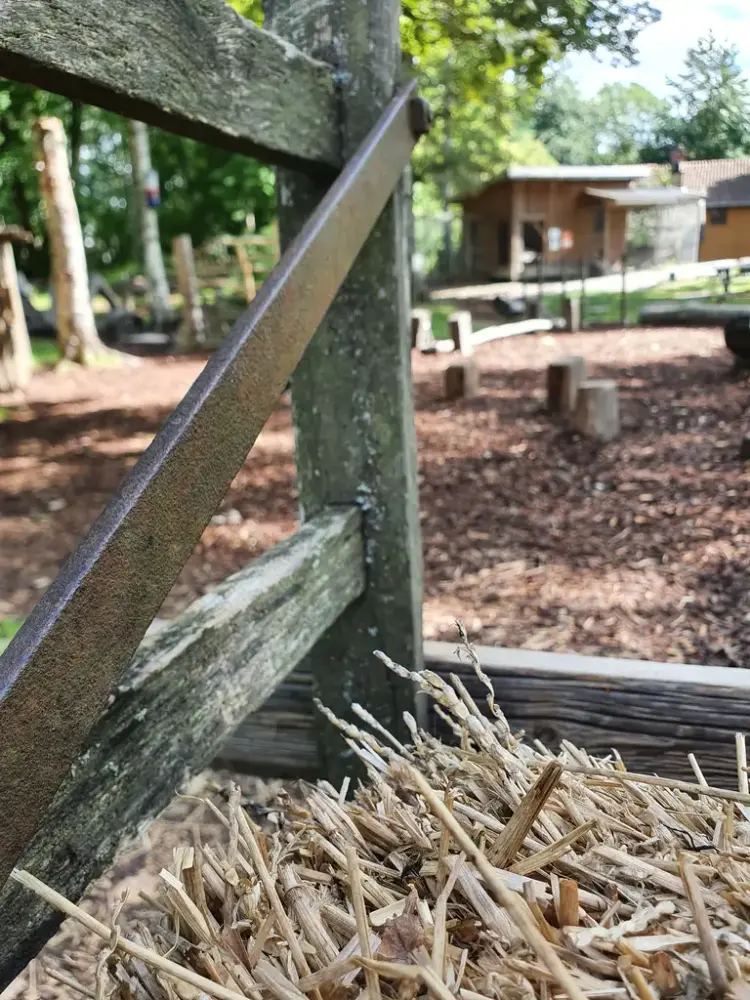
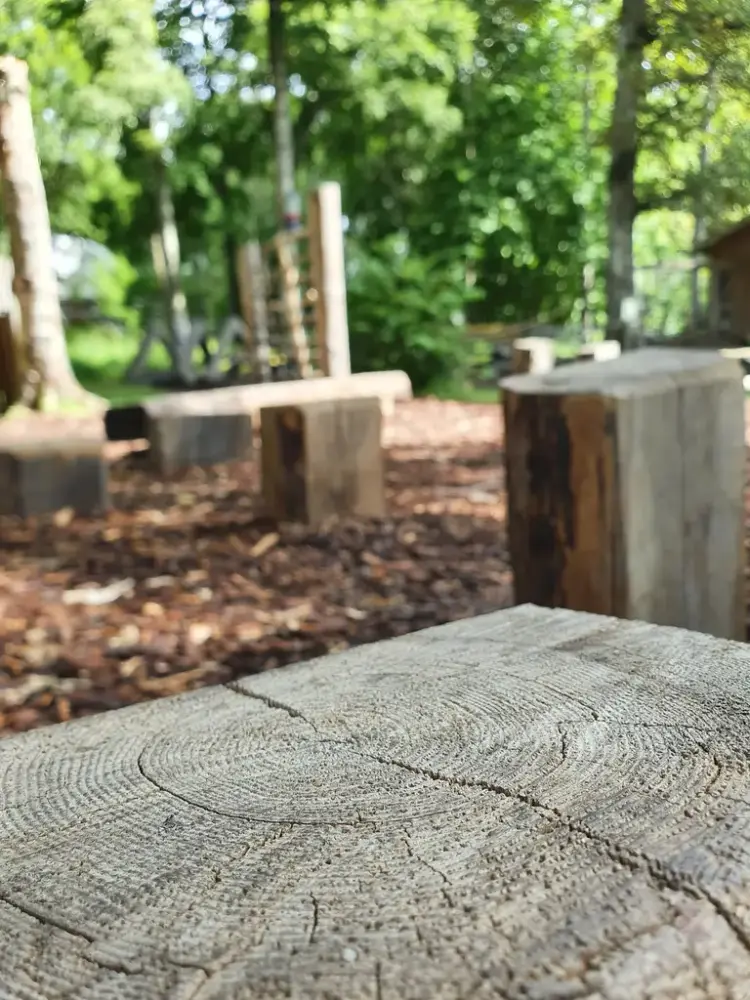
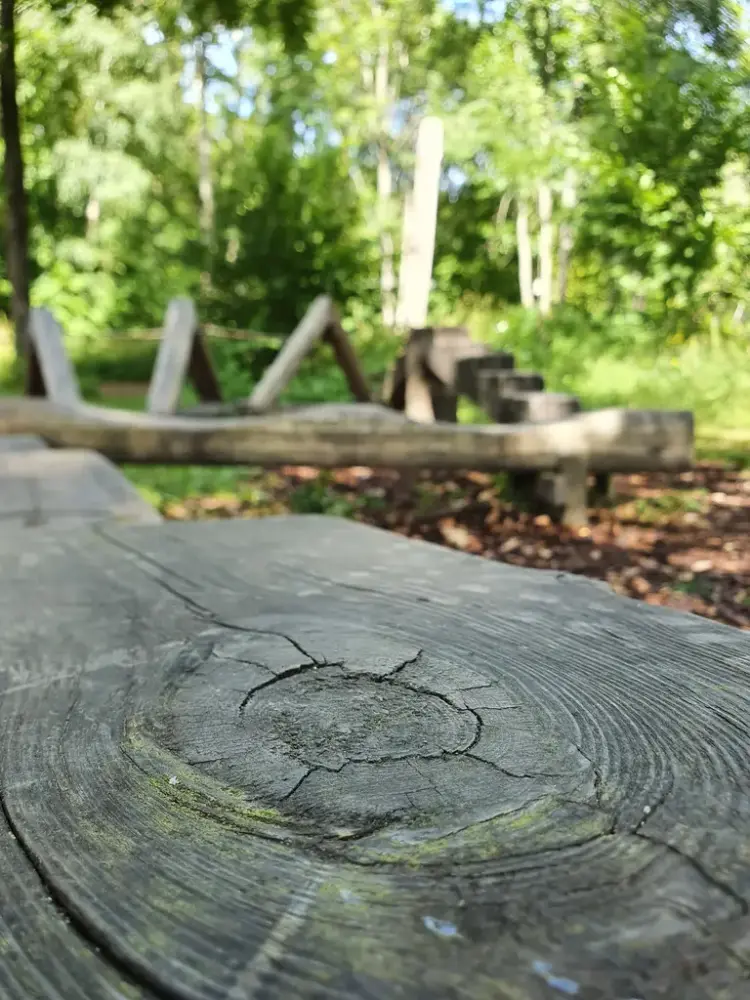
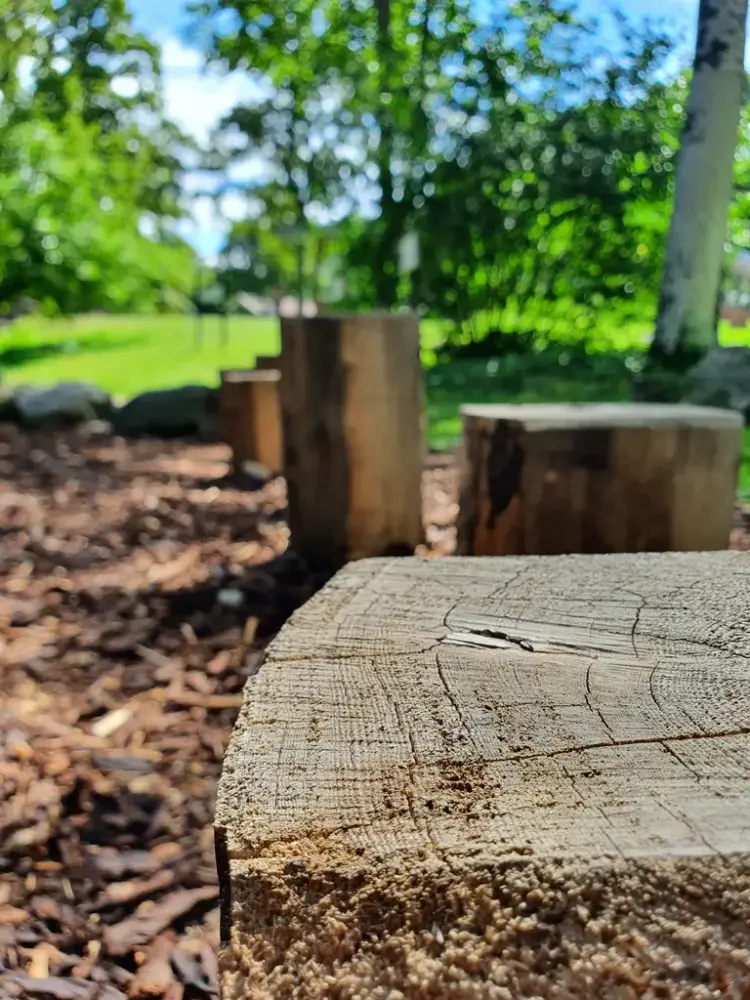
We’ve made a special playground by hand, from wood and ropes and other natural materials! It’s a great place for younger children, and perhaps our most popular activity.
- 1/5
- 2/5
- 3/5
- 4/5
- 5/5
4. Chickens and rabbits
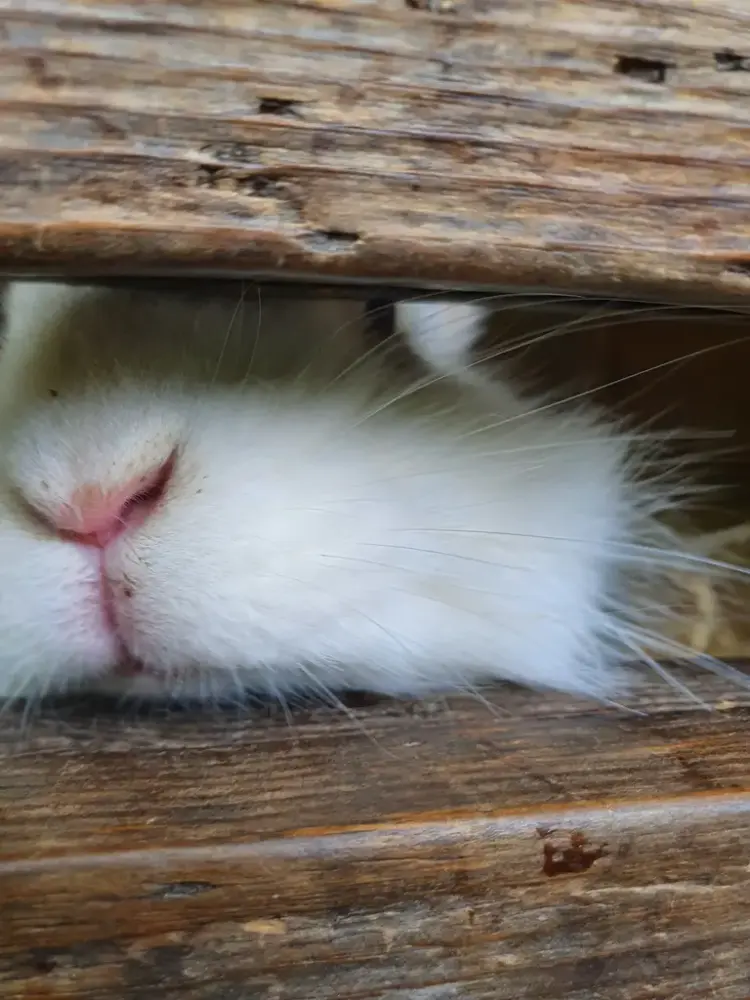
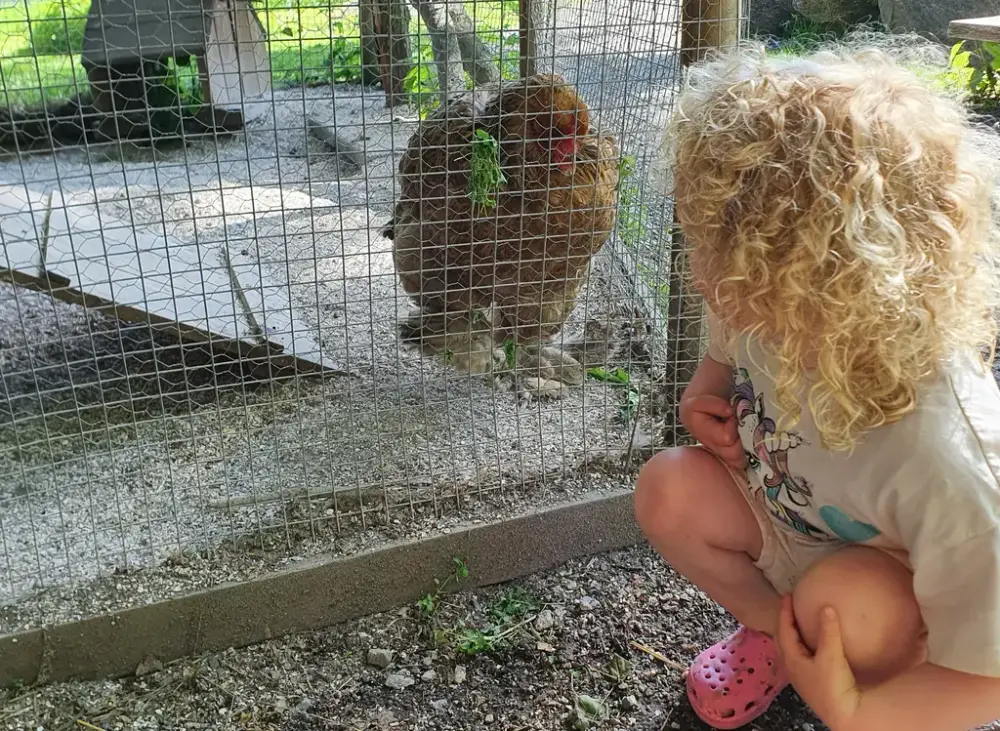
As part of our vision to teach new generations about old and traditional ways of living, we have chickens and rabbits living in our museum all year round! They are traditional breeds, well cared for, and in particular the rabbits would love a little clover or dandelion leaf from you. During the summer months of June, July and August, we also have sheep in our sheep pen across from building number 9., which really brings the whole place to life!
- 1/2
Follo museum - 2/2
Follo museum
5. Main building
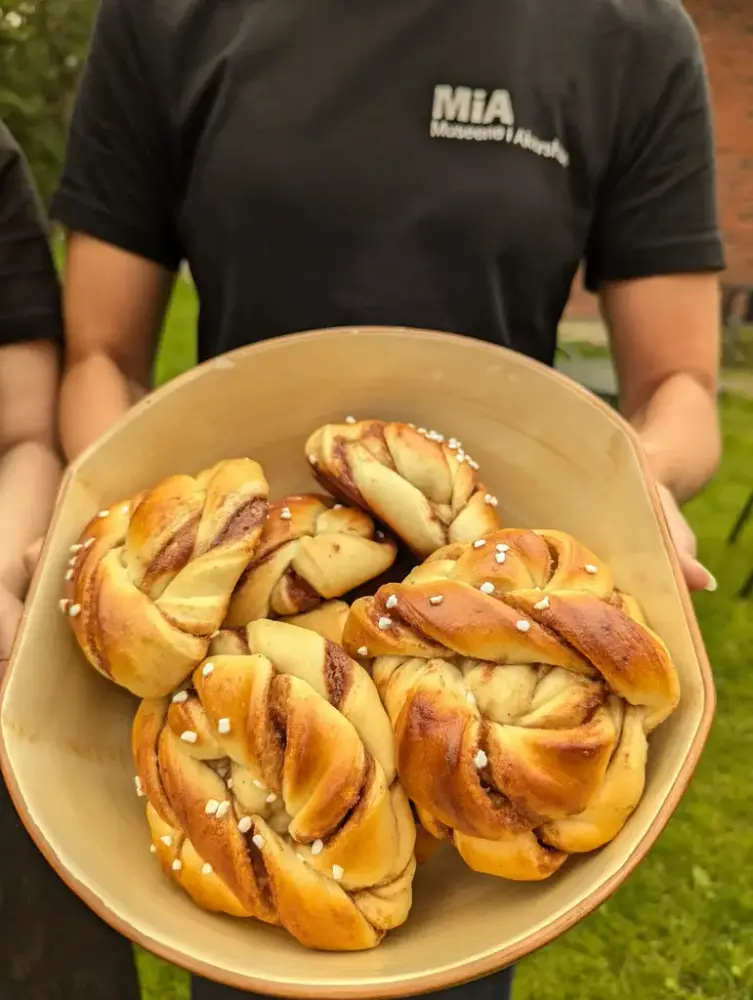
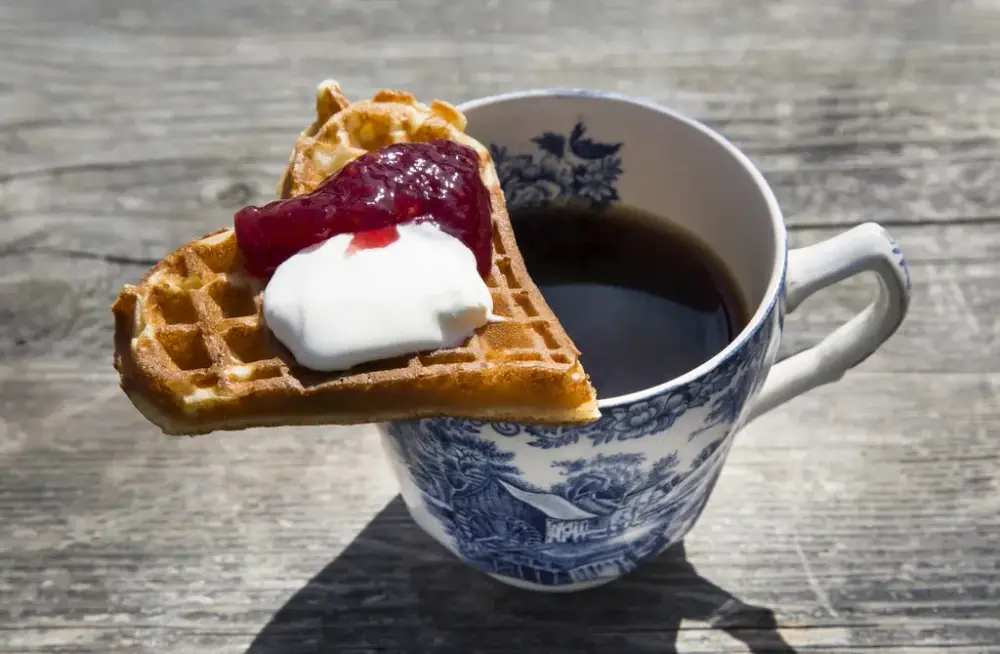
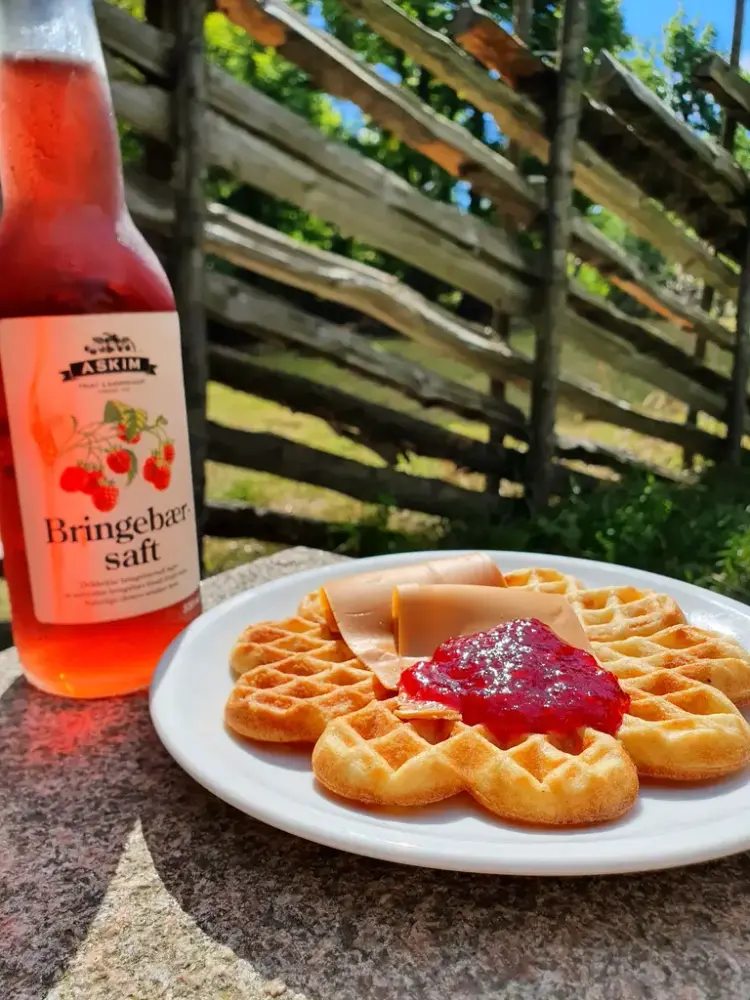
In this classic 1970s brick building, you’ll find our little café and museum shop, which is open every day except Mondays in June, July and August, as well as weekends throughout the year. This is also where the museum employees have their offices. Come on in and have a traditional Norwegian waffle with sourcream and jam!
- 1/3
- 2/3
- 3/3
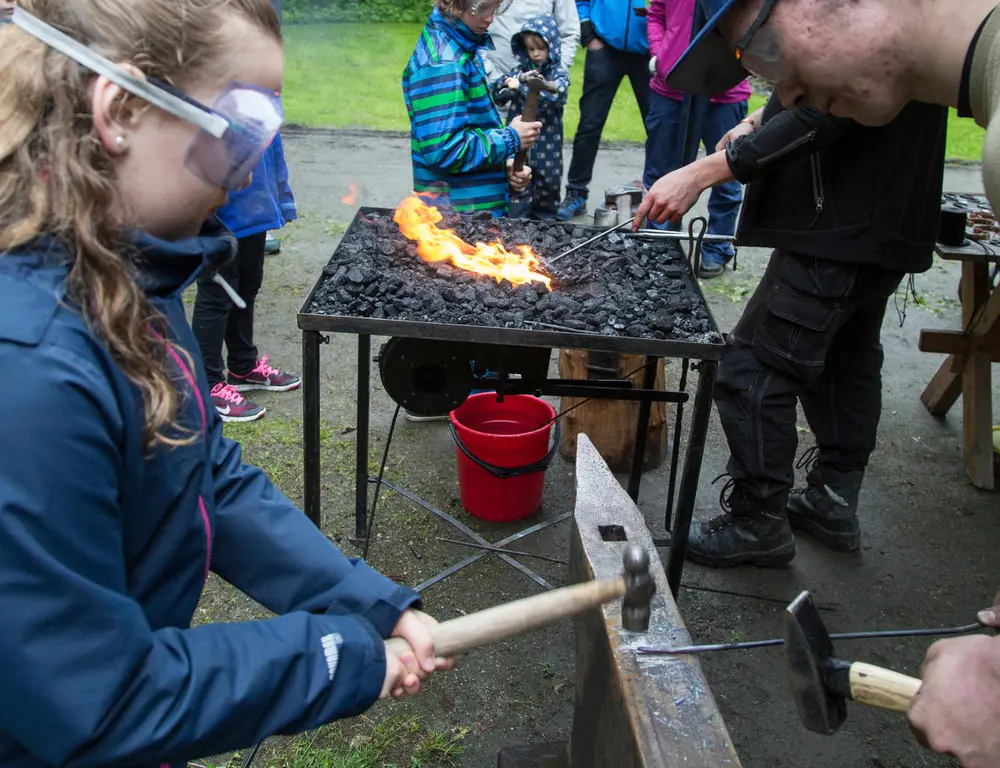
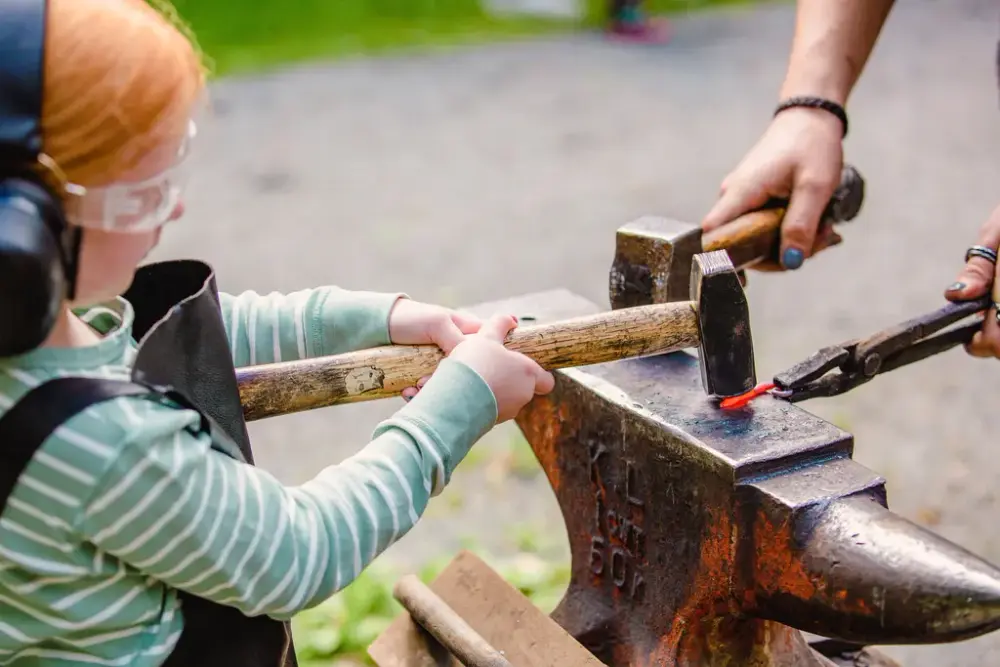
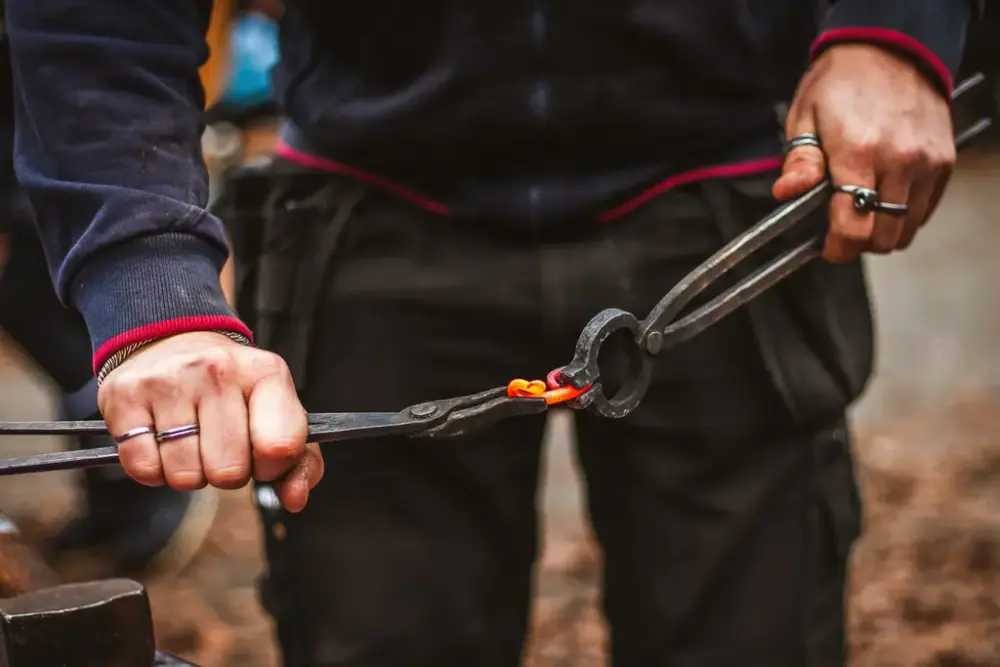
6. Blacksmith's forge
This late 19th century village forge is from Holtet in Ås. It’s typical for its time and kind, providing the people of the surrounding area with tools, repairs and shoes for their horses.
- 1/4
- 2/4
- 3/4
Follo museum - 4/4
Follo museum

7. Korsegården
Built in 1740, this was an inn for people travelling along the main road to Oslo from Fredrikshald (today Halden in Østfold), and was situated where that road met the main road between Drøbak and Ås. In addition to being an inn where you could rest yourself and your horses for the night, it has also been a brewery, a house for farm workers, a shed, a petrol station, and a carpenter’s workshop!
- 1/4
- 2/4
- 3/4
- 4/4

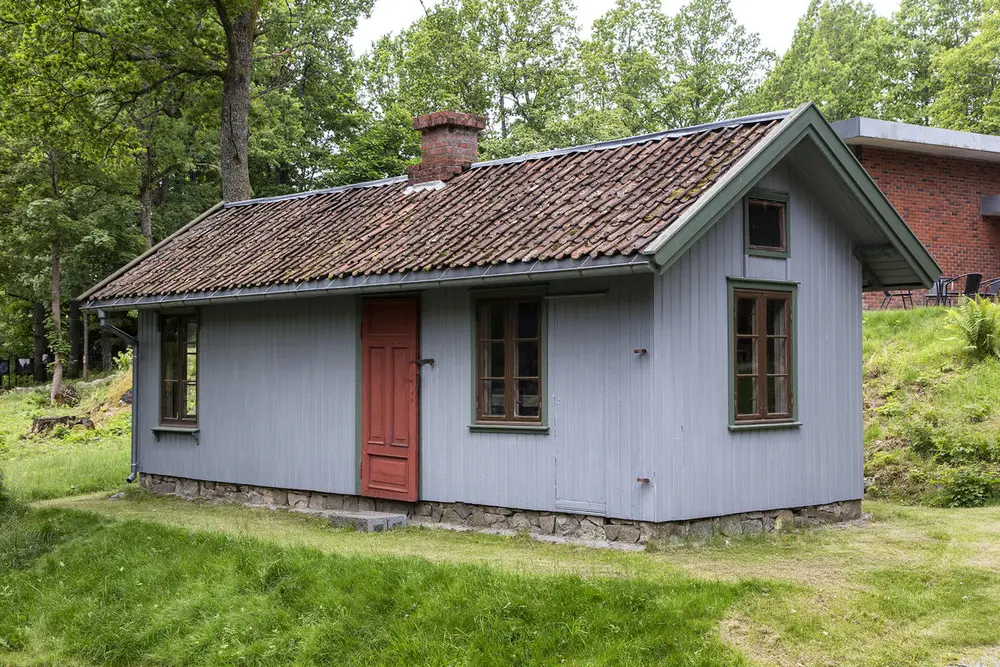
8. Tinsmith's workshop
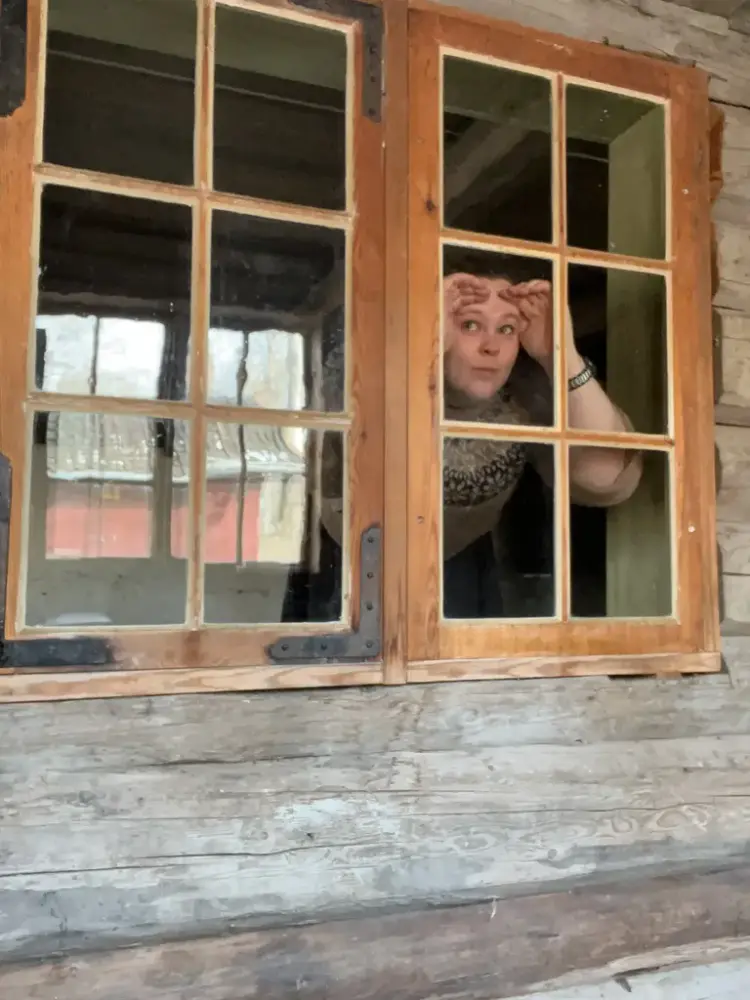
This building was originally a shed when it was built in 1880, but was remodelled somewhat in 1896 and turned into a workshop for a tinsmith from 1917 to 1962. The style and colour of the building is very typical of Drøbak buildings.
- 1/1
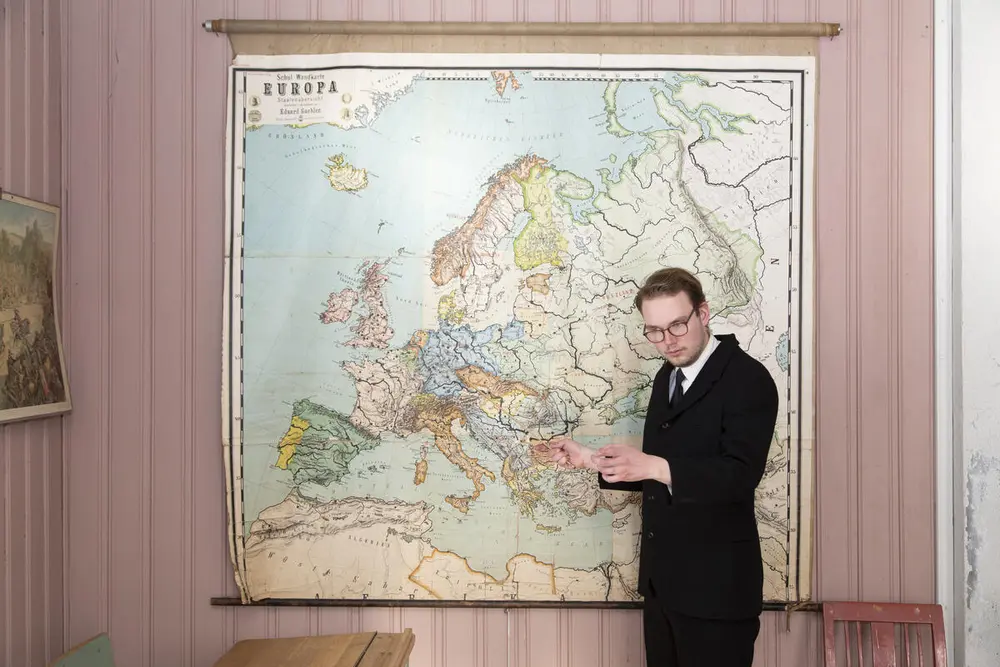
9. Holstad school house
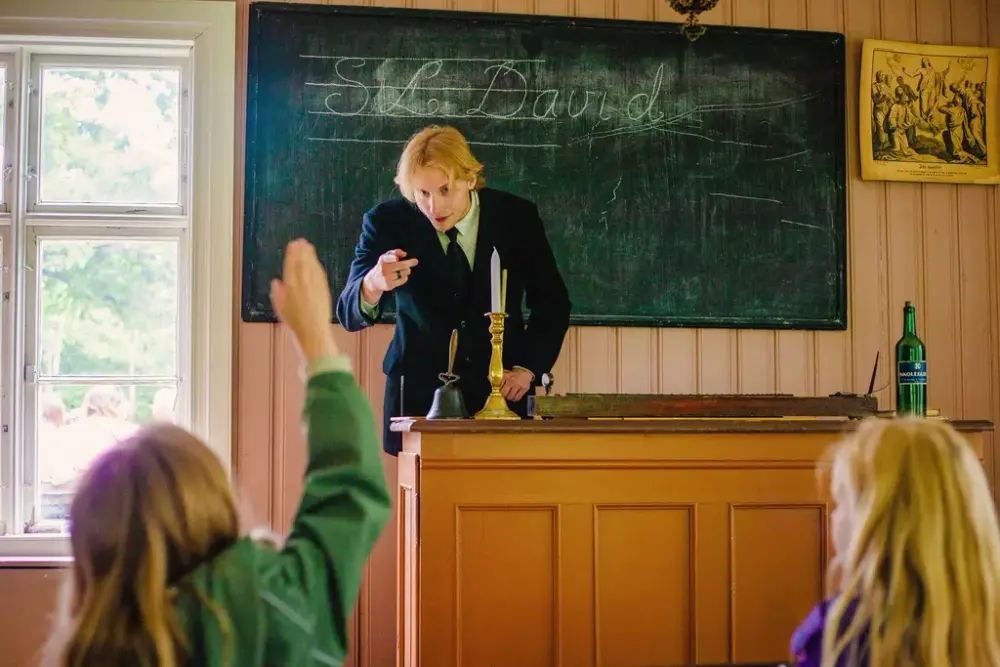
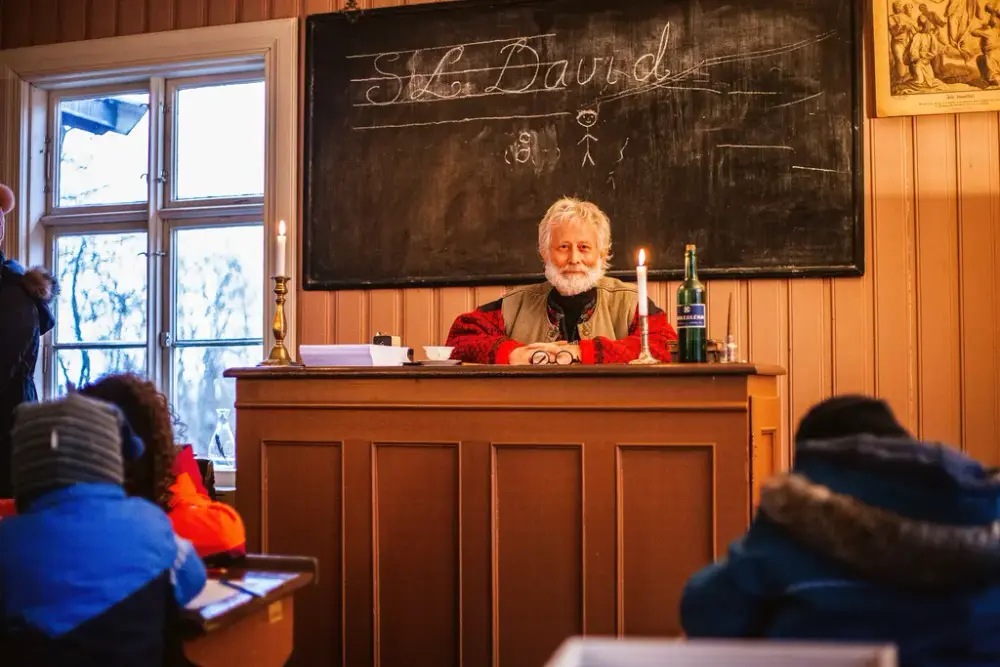
This house is a classic early Norwegian school house. After a law of 1860 which ordered that all children should attend school regularly, buildings like this one cropped up all over the country. This one was finished in 1869, and worked as a school building and home for the teacher (complete with a small garden to support the teacher’s income) until a larger school was needed. When that was finished in 1904, the school building was remodelled into flats for workers at Holstad brickworks. Half of this building has been reconstructed as a school room, while the other half is reconstructed as a flat for a working family in 1929.
- 1/5
Thore Bakk | Follo museum/MiA - 2/5
- 3/5
Follo museum - 4/5
Follo museum - 5/5

10. Brewhouse
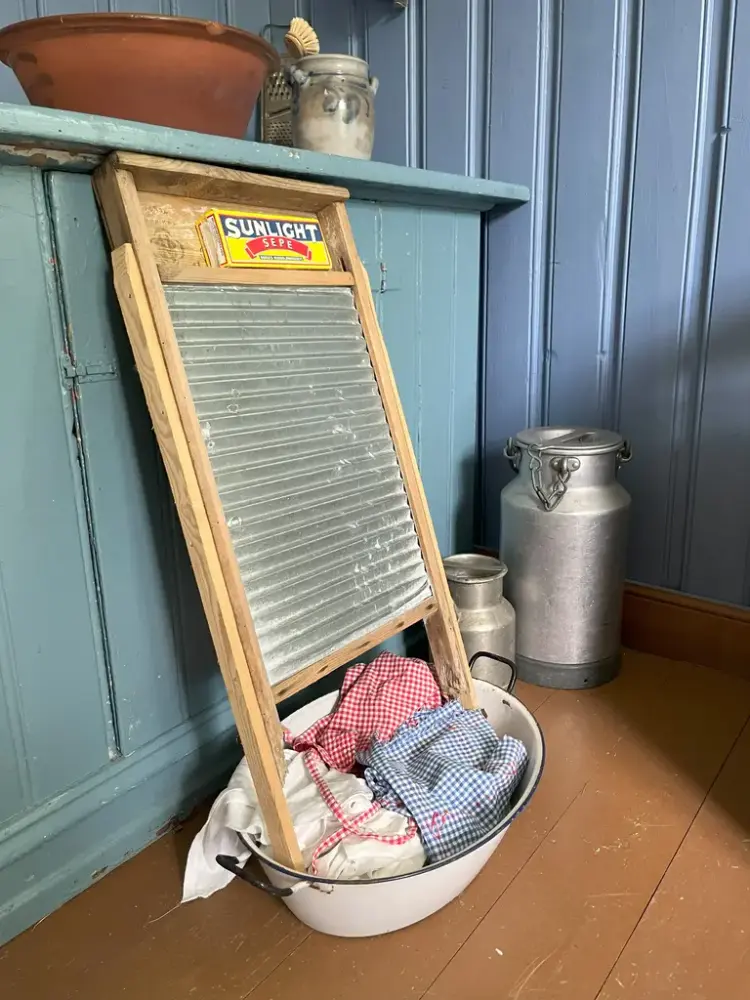
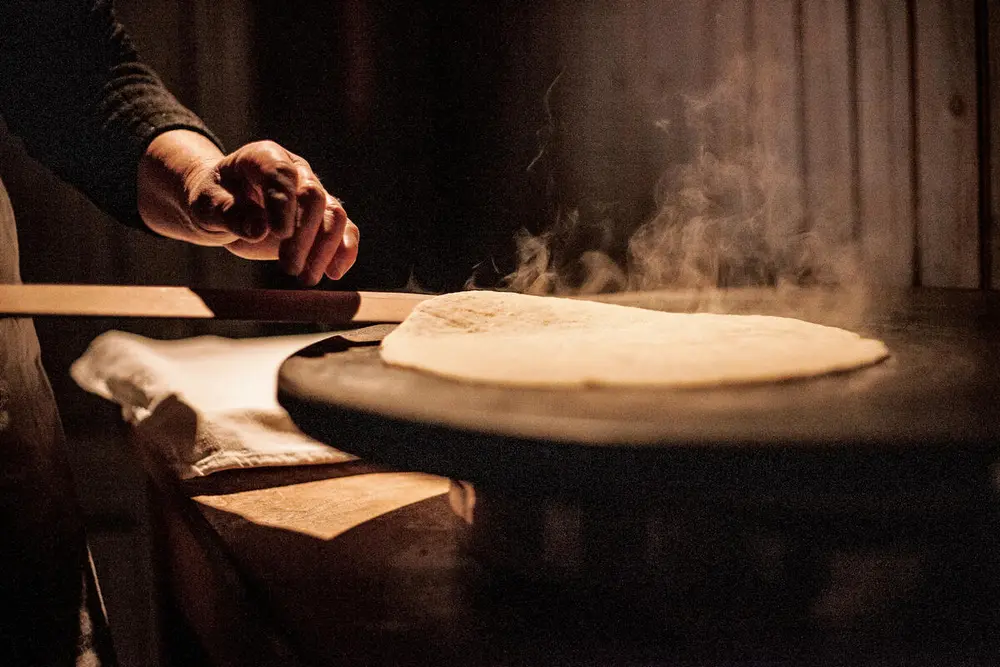
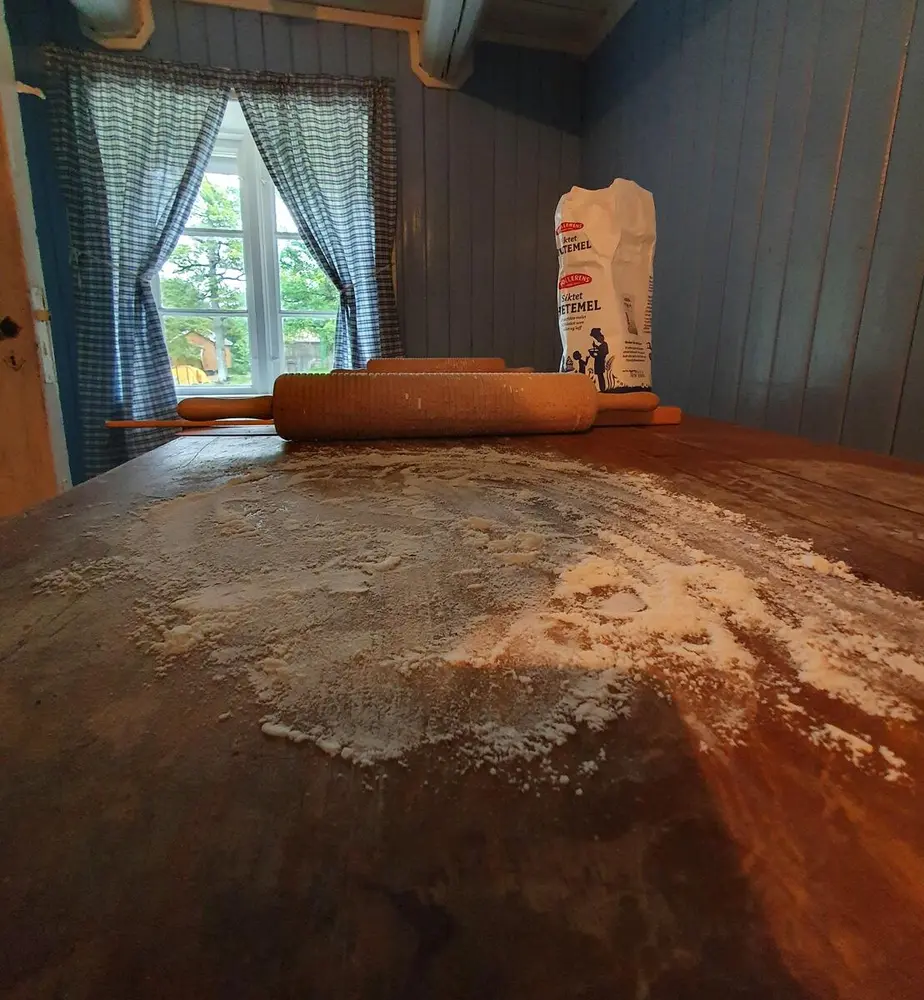
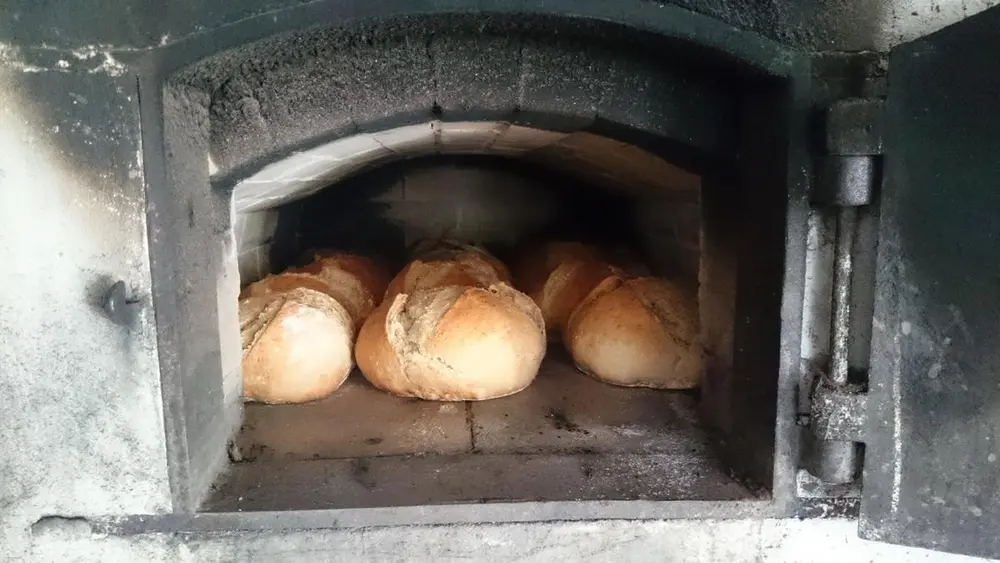
Buildings like this one were very common and very important on farms in this area. The oldest part of this building is from c. 1750, but it was added on to in the mid-19th century. It contains, from left to right, a small room for the farm labourer, a kitchen for brewing and baking, a shed for storing carriages, and an outhouse lavatory.
- 1/5
- 2/5
- 3/5
- 4/5
- 5/5

11. Børsum
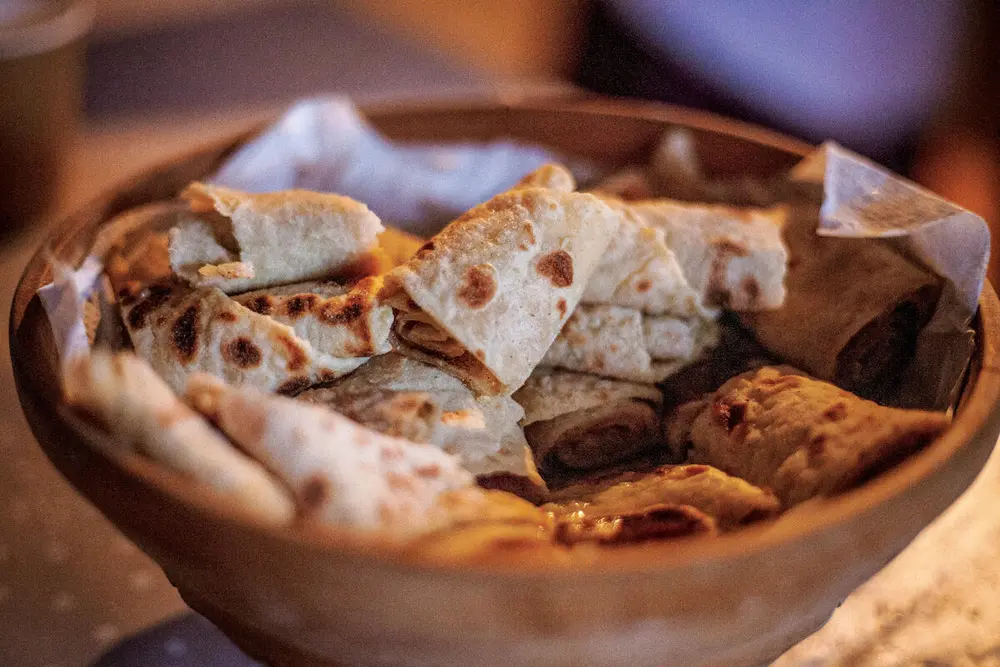
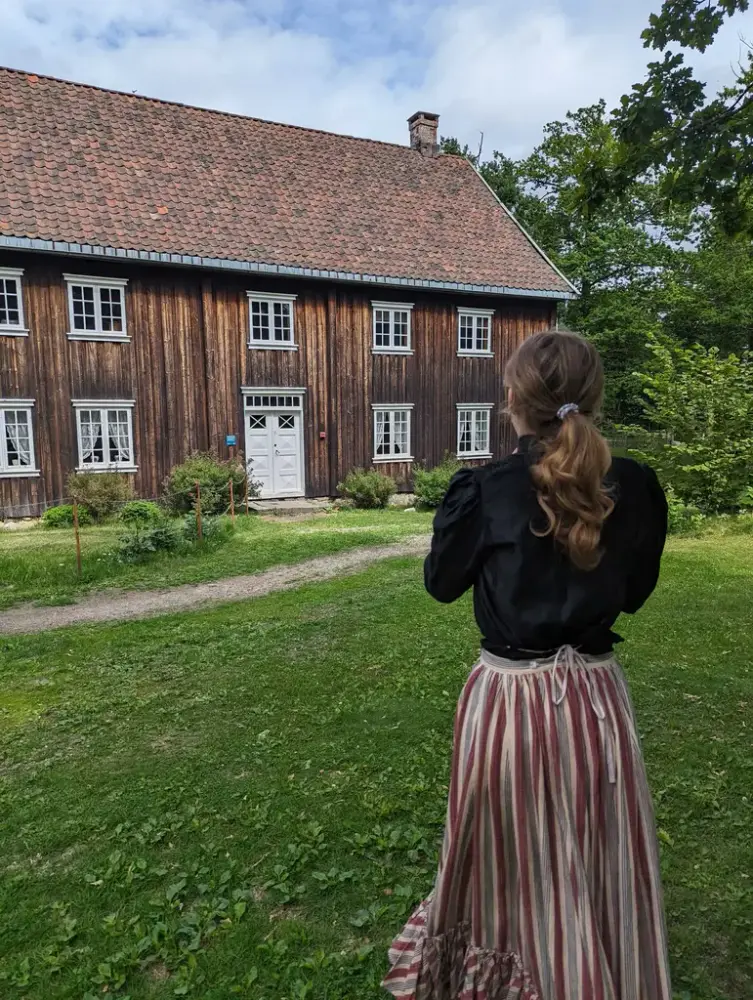
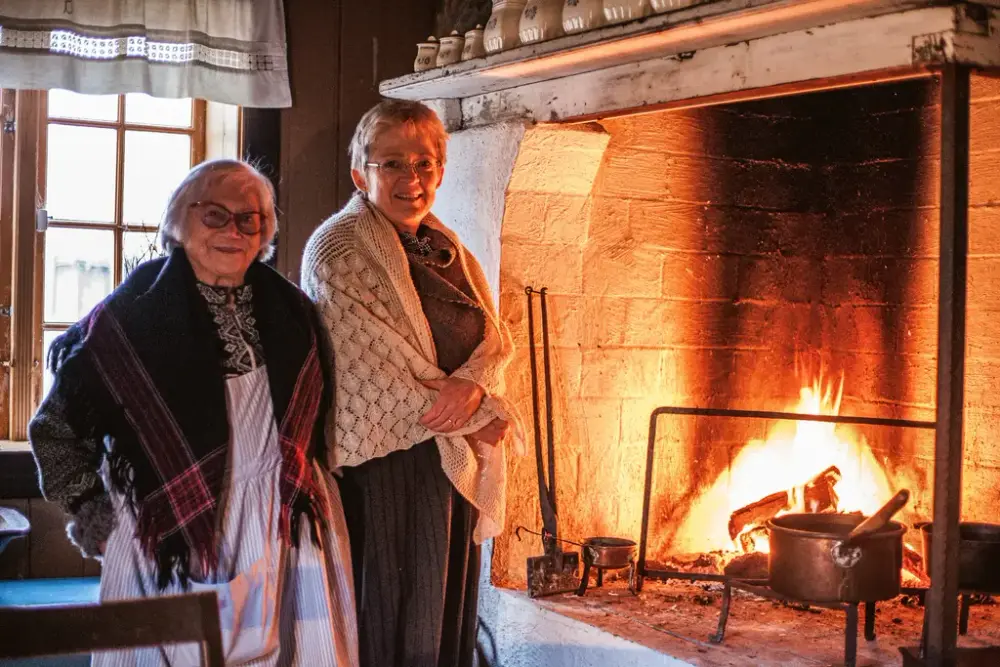
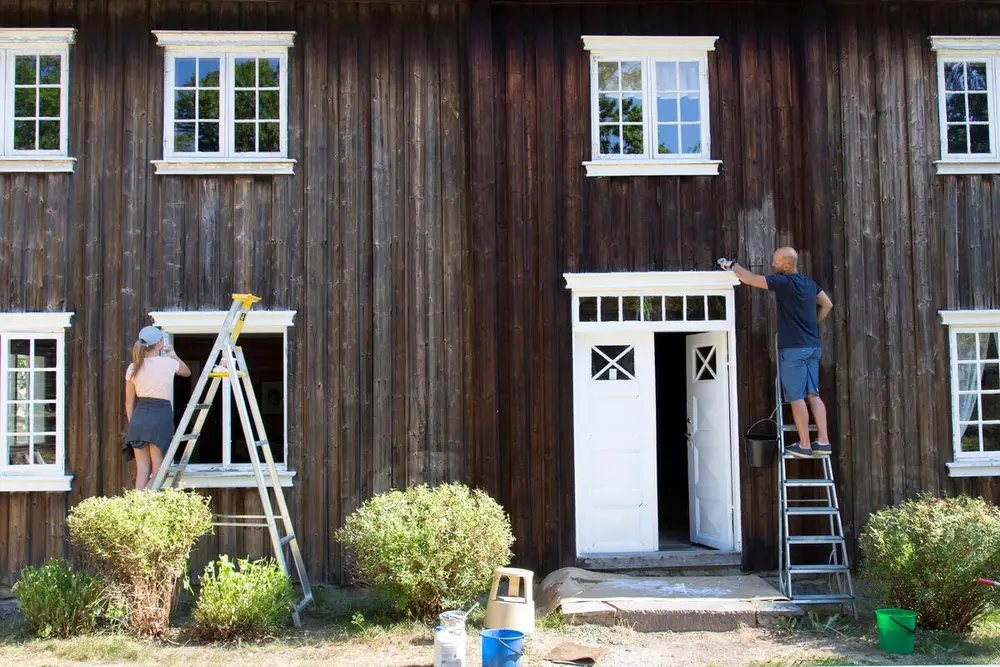
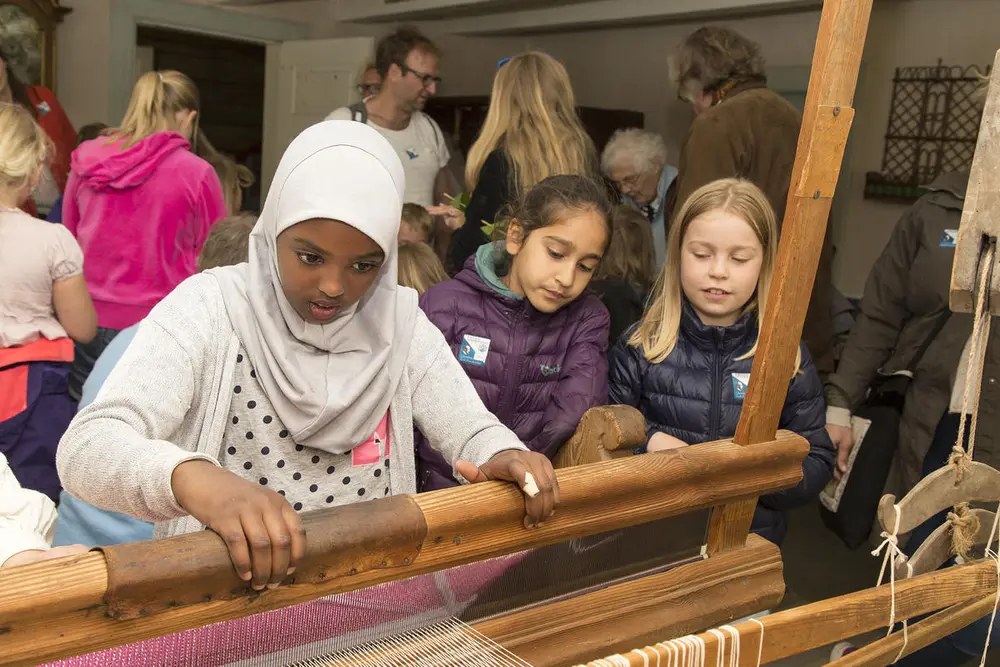
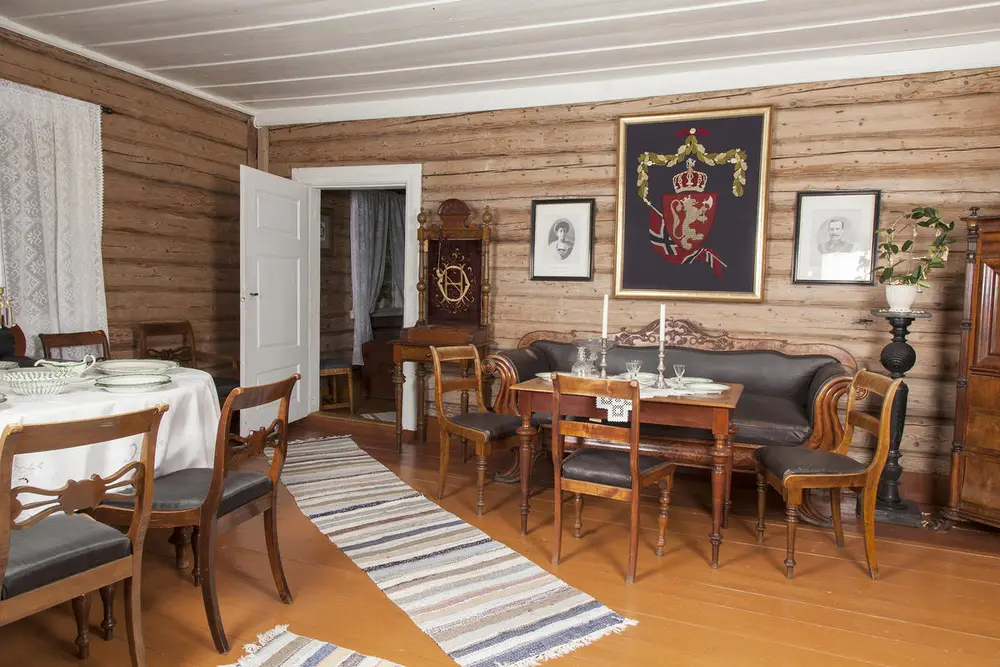
The half of this building furthest away from the parking lot and main building is from 1747. It was originally built as a two story building where the family owning South Børsum farm in Ås would live. Originally, the building had an outdoor gallery and the roof was originally in a different position. Around 1810, the building was added on to, the gallery removed, the roof turned 90 degrees, and a whole new two-story part added. For some strange, unknown reason, the new part was built without any heating, which makes it pretty much uninhabitable in the winter months. Most of the rooms in this building have been reconstructed as they might have looked in the early 20th century.
- 1/5
- 2/5
- 3/5
Thore Bakk/MiA - 4/5
- 5/5
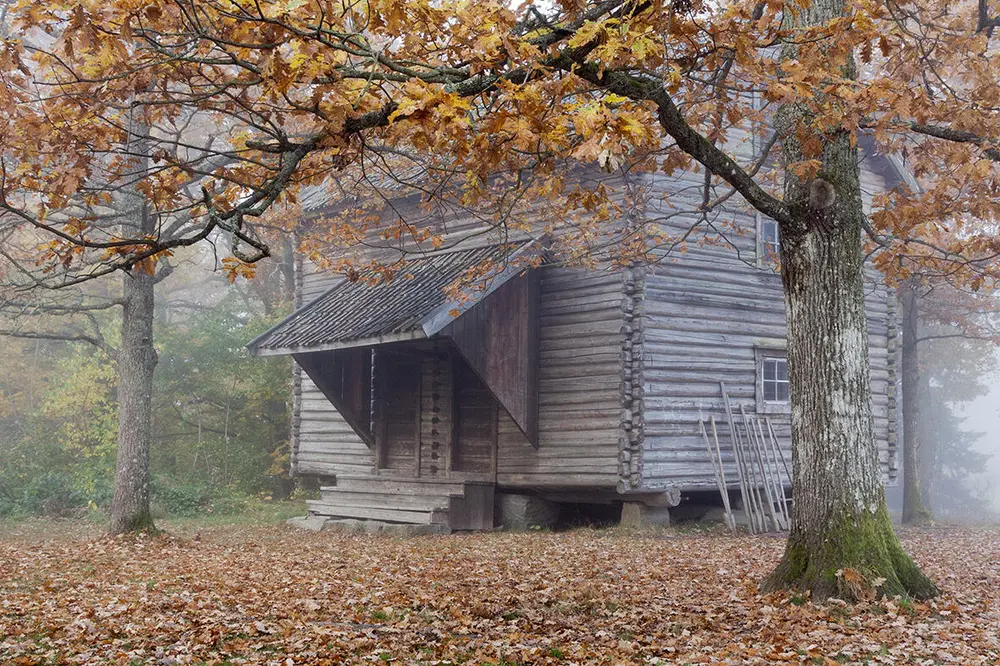
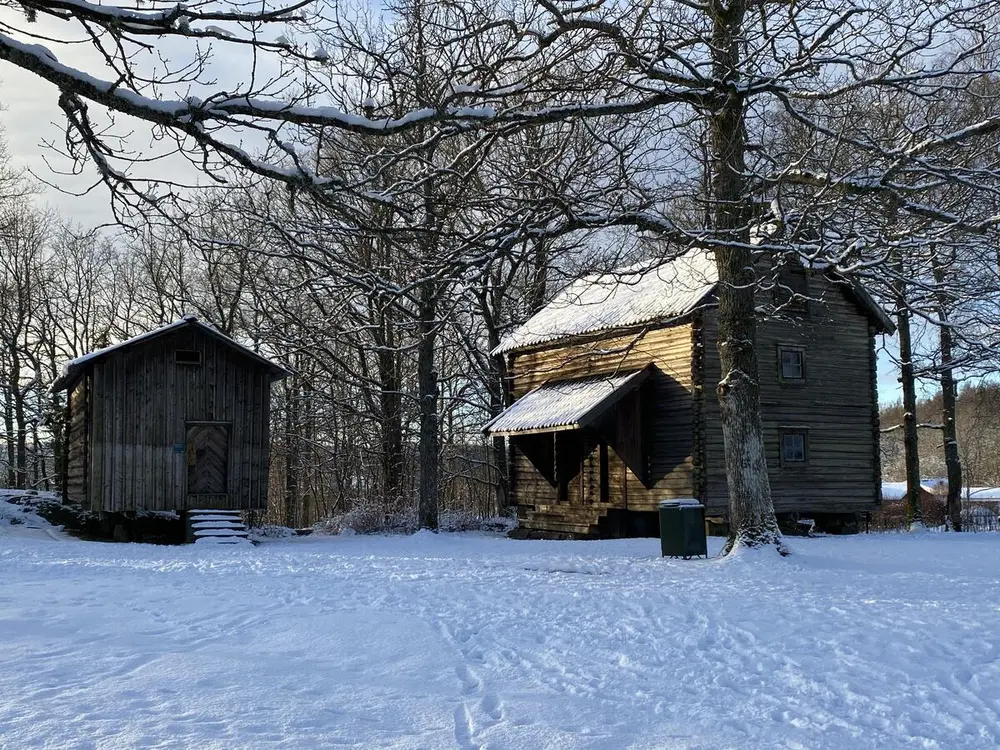
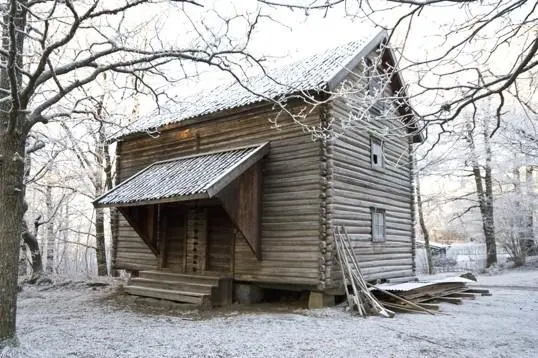
12. Storehouse from Seiersten
One of at least three “stabbur” we have at the museum! The “stabbur”, a very specific kind of storehouse for keeping grain and other foodstuffs away from mice and other hungry vermin, were essential and crucial to Follo farms. This one was built c. 1800, not far from where it stands today. It’s very big with its two full stories, and was sold to the Norwegian Ministry of Defence in 1898. They used it as a store for gunpowder, tents, uniforms, weapons and other military equipment at the fortifications right next to the museum area.
- 1/3
- 2/3
- 3/3
13. Storehouse from Havsjødalen
Another “stabbur”, built c. 1850, and a little more typical in size.<
- 1/3
- 2/3
- 3/3
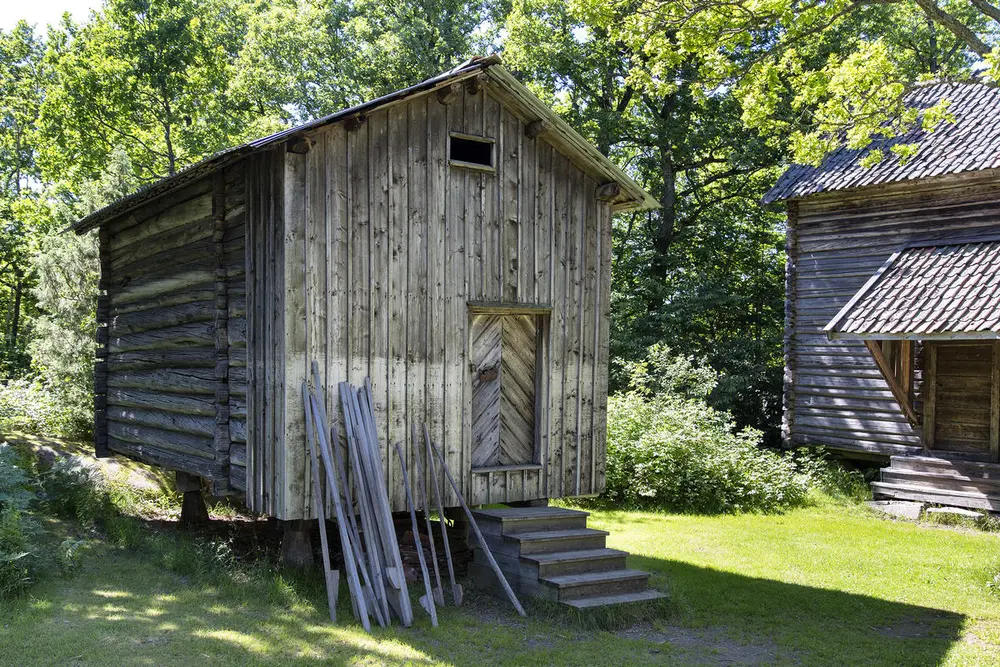
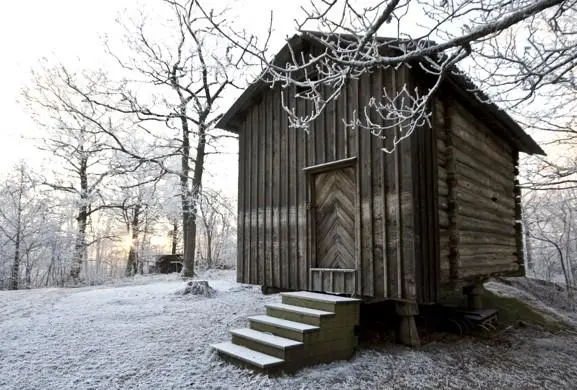
14. Storehouse from Rød
Our oldest “stabbur”, built in the late 18th century. In most of the country, such stabburs were either left unpainted, or painted red, but the ochre yellow colour of this building is very typical for the Follo region.
- 1/2
- 2/2

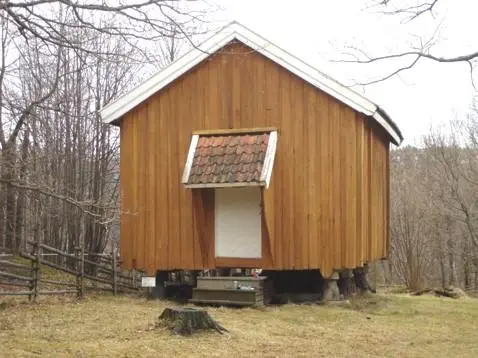
15. The Skoklefall barn
Built in leaps and bounds over more than 100 years, this barn contains stables, a cowshed, and a barn for storing hay and grains. The oldest part was bult c. 1720, another was added in 1794, and the section without wood panelling was build c. 1850.
- 1/2
- 2/2

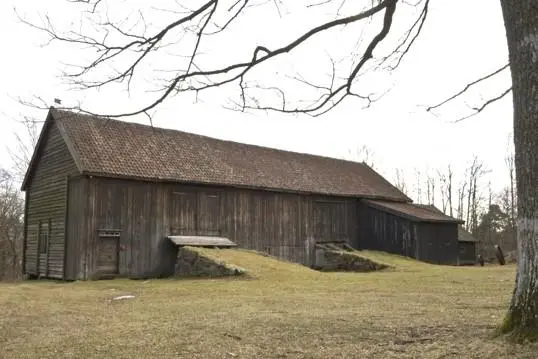
16. The forge from Dyster
This forge was built using the traditional Norwegian laffing technique, and serviced the Dyster farm in Ås. It was built c. 1800, probably first for use as a “kjone” (see building 17). It was used as a forge until 1960
- 1/2
- 2/2
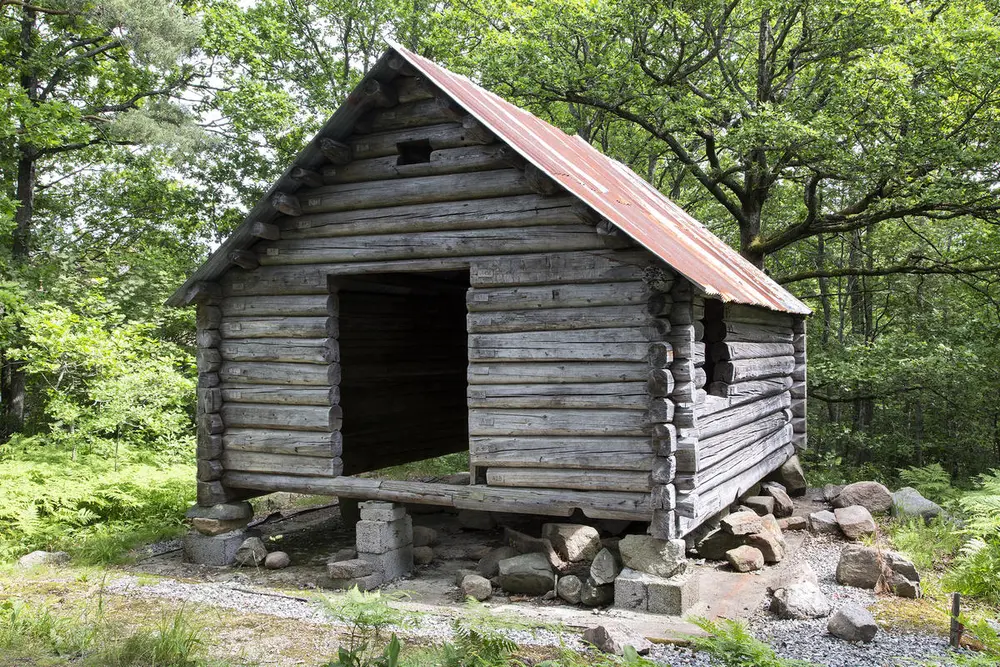
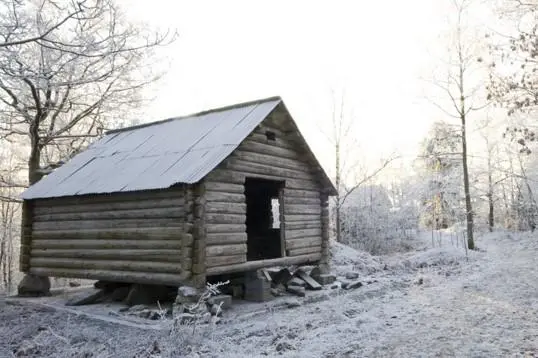
17. Kjone
Just like “stabbur”, “kjone” is not an easily translated word. However, most farms had a kjone, where grain, malt and linen was spread out on a fabric floor and dried out over a heat source, almost always a wood fire. For this reason, these buildings tend not to survive, being extremely vulnerable to fires. This kjone was built in the late 1800s.
- 1/1

18. Sagstua
For many centuries, the “husmann” was an integral part of the rural community. Poor farmers, renting land from wealthier members of the community and often paying rent by working on the landowner’s farms, they lived very hard lives. This house was the home of such a “husmann” family, built at the end of the 17th or the start of the 18th century it is also perhaps the oldest building we have. There is a small gallery, two rooms and an attic, and a very typical example of this kind of building. The grandson of the last “husmann” to occupy this house lived here until c. 1990, and the last “husman” in Norway died in 1997.
- 1/2
- 2/2

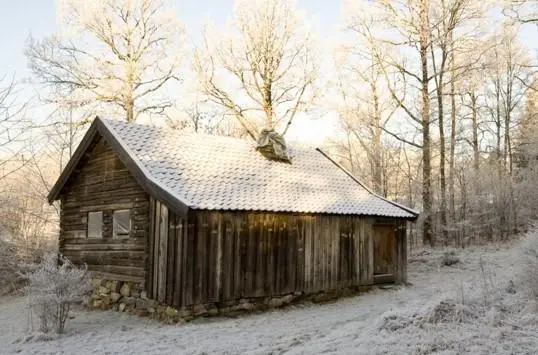
19. Sagstua barn
Crucial for the survival of the “husmann” family was the farm buildings. The timber section of this building was a cowshed, and was built in the late 19th century. The section with wood panelling is even later, built between 1900 and 1920 as a barn. The “husmann” family that lived here had a somewhat unusual source of income; market gardening. They grew flowers that were shipped to Oslo and sold there, so pretty blooms from this humble garden may have decorated the upper class dinner tables in the capital.
- 1/2
- 2/2